

A quiet garage door can suddenly become a screeching, stubborn nuisance when its springs start to fail. For many homeowners, these all-important parts remain out of sight and out of mind, until something goes wrong. The truth about garage door springs is buried under layers of myth, and that misinformation can put your safety and your wallet at risk.
Myth 1: Garage Door Springs Last Forever
Garage door springs face a daily grind. Every time your door lifts and lowers, those springs bear the weight, twisting and stretching as they counterbalance the heavy panels. Despite their rugged appearance, springs are engineered with a specific lifespan. Most are rated for about 10,000 cycles, which translates to only seven to ten years for an average household.
Ignoring this fact is a costly mistake. Over time, metal fatigue sets in, corrosion eats away at coils, and the door starts to open sluggishly or with uneven force. If you notice your garage door struggling to stay open, emitting sudden noises, or moving jerkily, the springs are likely nearing failure. Addressing these early signs can prevent a complete breakdown that leaves you trapped in or out of your garage.
Myth 2: DIY Garage Door Spring Maintenance Is Safe and Easy
There’s a reason professional technicians tread carefully around garage door springs. The immense tension stored in torsion and extension springs can turn a minor slip into a major injury. Unwinding or reattaching a spring without proper tools and training can snap it free, potentially causing serious harm.
Even if you’re handy around the house, attempting to repair these springs yourself is a gamble. Professional technicians are not only trained to spot hidden wear and tear but are equipped to handle the risks. When in doubt, calling a trusted expert is always the safer (and ultimately less expensive) route. Services like Door Doctor service résidentiel offer 24/7 support with highly qualified technicians, ensuring any spring issue is resolved without putting yourself in harm’s way.
Myth 3: Only Broken Springs Affect Door Operation
A completely snapped spring is an obvious problem, but even a weak or misaligned spring can wreak havoc long before it fails outright. When one spring loses tension or shifts out of place, the door loses its balance. That imbalance forces the opener to work harder, strains the cables, and can damage the delicate electronics inside your opener system.
Suddenly, the door may slam shut or refuse to open fully, and in extreme cases, it can come off its tracks. An unbalanced door also creates a safety hazard, as it may drop unexpectedly and catch someone off guard. Consistent, smooth motion is the hallmark of healthy springs, and any deviation should be checked out immediately.
Myth 4: Regular Lubrication Is Enough to Maintain Springs
Many homeowners believe that a quick spray of lubricant is all it takes to keep springs in perfect shape. While lubrication is important, it reduces friction and helps prevent rust, it’s far from the whole story. Springs also need to be inspected for stretching, pitting, and signs of fatigue. Neglecting these checks can leave you with a lubricated, but dangerously weakened, spring.
Proper spring maintenance goes beyond a can of spray. It includes tightening hardware, checking alignment, ensuring safety cables are intact, and confirming that the door remains balanced. Preventive inspection makes the difference between minor upkeep and major repairs.
Myth 5: Replacing One Spring Is Sufficient
Garage doors with two springs are designed for balance and even lifting. Replacing only one worn-out spring creates an imbalance; the new spring works harder while the old one lags behind, which can strain the opener and wear out the new spring faster. For this reason, professionals almost always recommend replacing both springs simultaneously.
Failing to do so doesn’t just risk another breakdown soon after, it can also warp the panels or damage the track system. The extra cost of a second spring is minimal compared to the price of door realignment or major mechanical repairs down the road.
Myth 6: All Garage Door Springs Are the Same
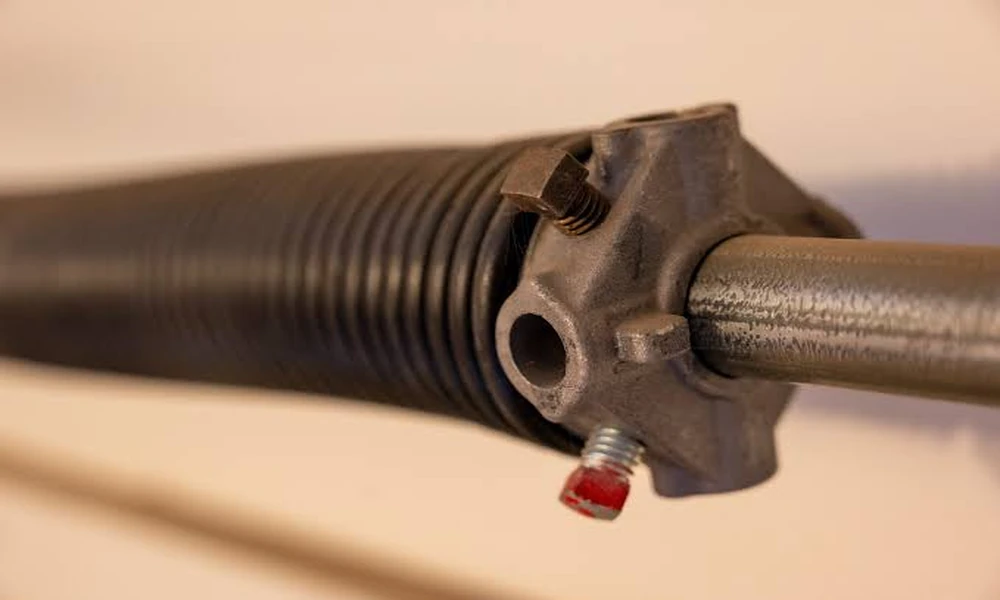
Not all springs are created equal. Torsion springs, mounted above the door, use controlled torque for a smooth, balanced lift. Extension springs, running along the sides, stretch and retract to manage the door’s weight. Each type has specific maintenance requirements and risks. Torsion springs are generally more durable and reliable, while extension springs can snap with more force if neglected.
When it comes to repair or replacement, knowing your spring type is crucial. Using the wrong size or type can create immediate performance issues, and improper installation can be downright dangerous. This is another area where specialized help pays off.
Myth 7: Ignoring Maintenance Won’t Lead to Major Costs
Skipping routine spring checks might save you a few minutes today, but the long-term consequences can be painful. Neglected springs don’t just break, they can damage panels, tracks, openers, and even your vehicle if the door slams down unexpectedly.
A single failed spring can balloon into a multi-part repair. By contrast, timely maintenance extends the life of your door and all its components. Over time, that means fewer emergencies, less inconvenience, and real savings.
Garage door springs do the heavy lifting every day, quietly ensuring that your entryway operates smoothly and safely. Understanding their true needs and limitations is the key to avoiding costly surprises and keeping your garage door working reliably for years to come.