

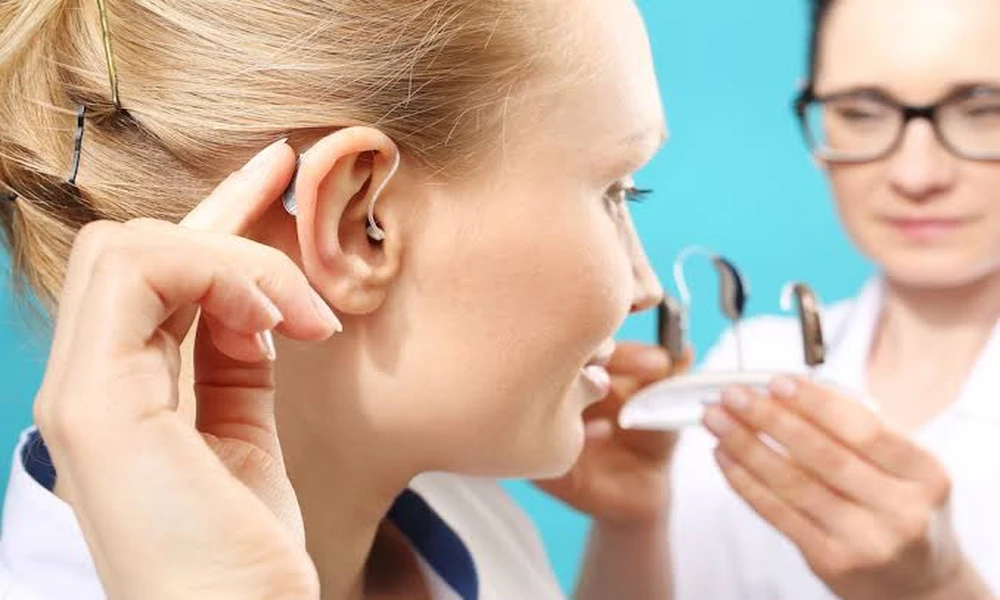
Nine out of ten hearing aid failures I hear about start with something small: a clogged wax filter, a battery that sat in a hot car, a tube that went stiff and cracked. The device didn’t die. It got neglected. And neglect is the one thing you actually control.
Here’s what you’ll get in the next few minutes: a simple daily and weekly routine, a troubleshooting list for the most common problems, and a clear line for when to stop fiddling and let a professional take over. You’ll also learn why smart hearing device maintenance and repair is mostly about habits you build at home, not trips to the clinic.
Hearing aids are tiny computers that live in a warm, damp, waxy place. Of course they need attention. The good news is that fifteen minutes a week covers most of it.
Why hearing aids fail more often than people expect
Think about what your device goes through on an average Tuesday. Moisture from sweat. Earwax. Dust from the yard. A drop onto the bathroom tile because you set it on the counter while you washed your face. Now multiply that by three hundred days a year.
According to the National Institute on Aging, hearing loss is one of the most common conditions affecting older adults, which means a lot of people are relying on these devices every single day. When one goes quiet, the whole day gets harder.
Manufacturers build hearing aids to survive this. But seals wear down, receivers clog, and rechargeable batteries lose capacity over time. None of that means the device is defective. It means it’s working for a living.
I’d take a well-cared-for mid-range aid over a neglected premium model any day. The hardware matters less than the upkeep.
The weekly five-minute routine that prevents most repairs
You don’t need a toolkit. You need a soft brush, a dry cloth, and a consistent time slot. Sunday evening works well because you’re home and not rushing out the door.
Here’s the sequence I’d follow:
- Brush the microphone ports and receiver openings. A soft brush, light strokes, no poking. Wax pushed deeper is worse than wax left alone.
- Wipe the shell with a dry cloth. No water, no alcohol wipes, no lens spray. Those strip the finish and push moisture into seams.
- Check the wax filter or guard. If it looks discolored or you can’t see through it, swap it. Most people forget this step until the sound goes muffled.
- Inspect the tubing on behind-the-ear models. Squeeze it gently. If it feels stiff or you see a crack, it’s due for replacement.
- Open the battery door or power down. Leave it open overnight so trapped moisture can escape.
That’s it. Five steps, a few minutes, and you’ve handled the issues that cause the majority of quiet-device complaints. Skip it for a month and you’ll notice the difference in clarity before you notice the cause.
Storage habits that quietly extend device life
Where your hearing aids sleep matters more than most people realize. A steamy bathroom counter is the worst spot in the house. So is a windowsill, a car console, or a pocket next to loose keys.
Use a hard case with a desiccant pack or a dedicated drying unit. Keep it in a dry room, away from direct sun and heat. If your devices are rechargeable, follow the charging dock instructions exactly, since heat during charging is a real killer of battery lifespan.
One more habit worth building: same spot, every night. The number of devices lost to a kitchen drawer or a hotel nightstand is genuinely sad, and a fixed location solves it for free.
Common problems you can troubleshoot yourself
Before you call anyone, run through the basics. Half the time the fix takes thirty seconds.
| Symptom | First thing to check |
|---|---|
| No sound at all | Battery or charge level, then switch position, then wax filter |
| Muffled or weak output | Clogged wax guard or receiver opening |
| Whistling or feedback | Fit and insertion depth, plus wax buildup in the ear canal |
| Crackling or cutting out | Battery contacts, moisture in the battery compartment |
| Intermittent sound on one side | Dirty contacts or a failing tube on that device |
If the device uses disposable batteries, try a fresh one from a new pack. Sounds obvious, but a bad batch does happen. For rechargeables, give it a full charge cycle before you assume the worst.
And resist the urge to blow into the microphone with your mouth. Breath carries moisture, which is exactly what you’re trying to keep out.
When to hand it to a professional
Some problems need bench work. Cracks in the shell, a receiver that still sounds dead after a filter change, a charging case that stopped holding a charge, or a device that’s been through the washing machine. Don’t improvise with superglue or a hair dryer.
Also worth knowing: the U.S. Department of Health and Human Services oversees the agencies that set standards for hearing aid sales and service, including the rules that made over-the-counter options available. That matters because it gives you more choices, and more reason to know what a qualified repair shop looks like.
When you do bring a device in, describe the symptom in plain terms. “It cuts out when I turn my head” tells a technician far more than “it’s broken.” Bring the charger, the case, and any accessories. And ask whether loaner devices are available if the repair needs to be sent out, because a week of silence is a real hardship for some people.
A quick word on costs and claims
Ask about warranty coverage before you agree to any repair, especially if the device is under a year old. Many manufacturers cover certain repairs, and some clinics will handle the paperwork for you.
The Federal Trade Commission publishes consumer guidance on warranties and repair rights, and it’s worth a skim before you sign anything. Knowing what’s covered protects your wallet and sets expectations on both sides of the counter.
Start tonight, not next month
Most hearing aid repairs are preventable, and the ones that aren’t tend to be cheaper when you catch them early. Build the weekly routine, keep a hard case by the bed, and learn your device’s common failure points so you can describe them clearly when something goes wrong.
Your hearing aids do a lot of quiet work for you. Give them five minutes a week and they’ll return the favor for years. So which habit from this list are you starting tonight?