

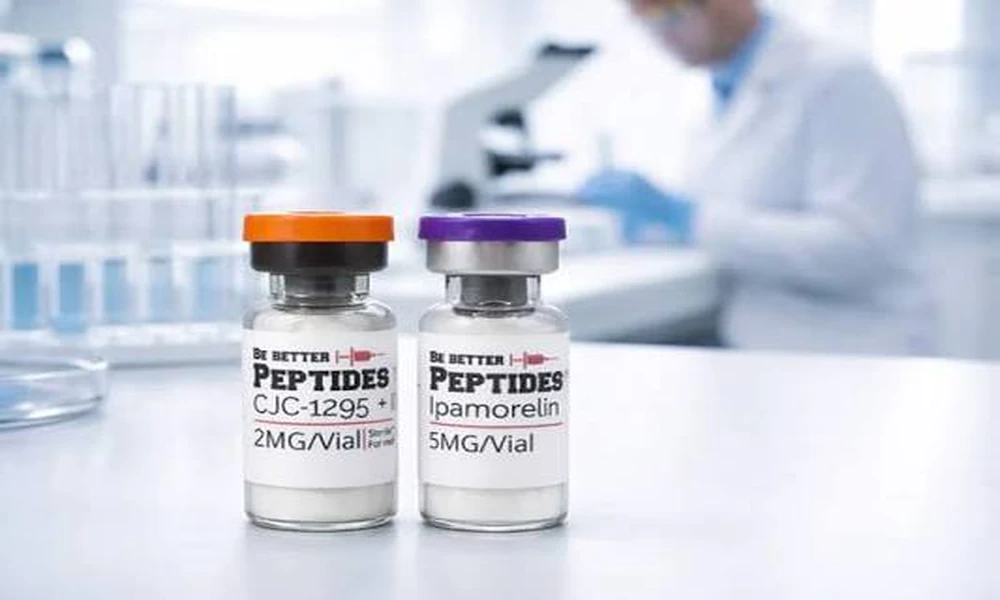
Dual mechanism coverage makes wolverine stack research unique because one intervention spans the two processes tissue repair actually requires, supply growth and cell arrival, and no other common pairing in peptide research covers both inside a single protocol. Uniqueness here is a property of the research, not a compliment to the compounds. Programmes consulting Neupsy Key – wolverine peptide stack resources encounter study capabilities that single-mechanism work simply cannot offer, whichever compound it runs. Coverage of two mechanisms changes what a design can ask, what it can attribute, and what its data can hold. The sections below cover the coverage itself, the questions it makes askable, the attribution it builds in, and the reasons the uniqueness holds up.
Dual mechanism coverage
Dual coverage means the intervention reaches both halves of the repair problem at once, vascular signalling through the BPC-157 pathway and cellular migration through the TB-500 pathway. A research programme running the pair holds an instrument that acts across the full repair sequence rather than one stage of it, which converts directly into capability. Designs can measure the whole process under one intervention, place sampling points across both mechanism windows, and read the complete repair arc from a single cohort. Coverage this complete is what most peptide research lacks by construction. Single compounds give clean answers about single pathways, and their studies inherit that ceiling, while the stack’s ceiling sits above both pathways together, at the level where repair actually happens.
Research made unique
Research becomes unique in the questions the dual design permits. Interaction questions lead the list: whether supply growth changes how migration proceeds, whether arriving cells alter how vessels mature, and how the two processes pace each other across the window. Questions of this shape cannot form inside single-mechanism studies at all, since interaction needs both parties to be present. Unique standing also comes from sequence questions. Because the two mechanisms peak at different times, a dual study can ask how early events condition later ones, turning repair from a snapshot subject into a process subject, which is where the field’s hardest questions live.
Wolverine stack mechanisms
Wolverine stack mechanisms give every study an internal attribution structure. With two known pathways running, observed effects can be worked back to their likely source by timing and tissue signature, vascular changes reading to one mechanism, migration markers to the other, and the analysis carries a built-in map of which compound explains which result. Mechanism-level attribution of that kind usually requires separate studies to establish. Dual designs carry it natively, which sharpens every conclusion the research draws.
Unique coverage research
- Unique coverage sustains itself because the capability does not age. New tissue models, new measurement methods, and new research questions all inherit the same two-mechanism span, so the stack’s position renews with each study rather than depending on any single finding.
- Research fields reward tools that keep opening questions, and dual coverage is exactly that kind of tool, which is why the uniqueness has hardened into a standing feature of the literature.
Dual mechanism coverage makes Wolverine Stack research unique because one intervention spans supply and arrival, makes interaction and sequence questions askable, and carries mechanism attribution inside every design. The capability outlasts individual results, renewing with each study that uses it, and no single-pathway alternative can reach the same ground, however well it performs on its own. Uniqueness built on coverage is structural, and structural advantages are the ones that keep a research area growing.