

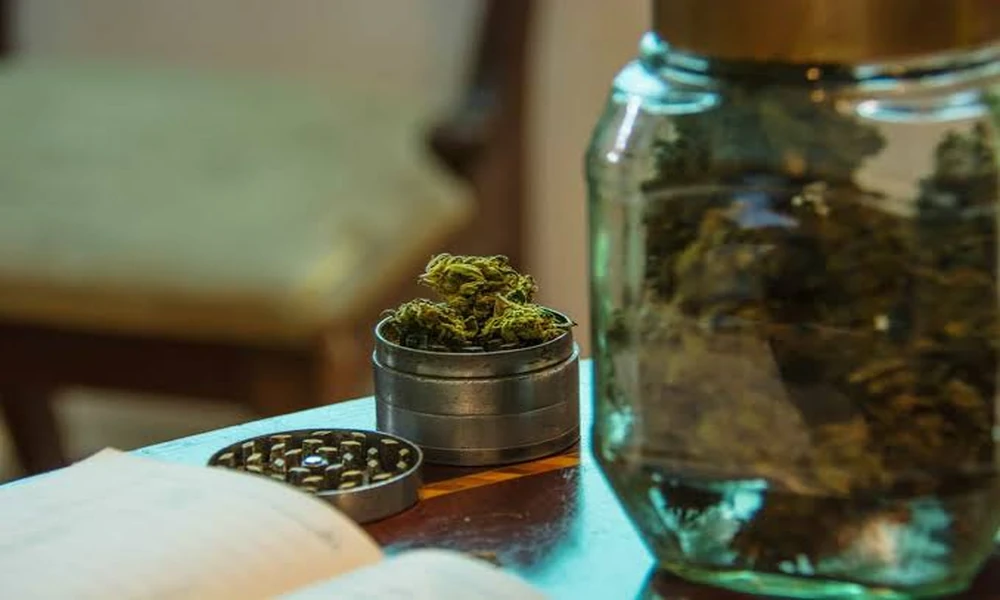
Order quantities in bulk THCA flower procurement are determined by distribution capacity, vendor minimums, and storage infrastructure rather than purchasing preference alone. Quantity decisions directly affect documentation requirements, delivery scheduling, and long-term vendor relationships. Buyers sourcing the best thca flower at wholesale scale align volume commitments with verified operational capacity before any supply agreement is signed. Misjudging order size in either direction creates supply chain complications that take multiple procurement cycles to correct.
Entry-level order volumes
Entry-level quantities define where wholesale procurement begins for buyers assessing a new vendor or entering bulk purchasing for the first time. These volumes are set by the vendor based on cultivation output and packaging capacity, and they establish the minimum threshold at which full batch documentation is made available. Buyers who start at minimum quantities receive complete laboratory results, chain-of-custody records, and strain classification documentation. This paperwork allows cannabinoid consistency, moisture stability, and trichome quality to be assessed across a genuine portion of the batch before any decision to increase volume is made in subsequent order cycles.
Mid-tier volume structures
- Cultivation cycle alignment – Mid-tier quantities are purchased in direct alignment with confirmed harvest schedules rather than drawn from extended stored inventory. Buyers who structure orders around cultivation cycles receive fresher batches with shorter post-harvest holding periods, which directly affects trichome preservation and moisture stability at the point of delivery.
- Delivery and documentation structure – Delivery scheduling at the mid-tier level moves from flexible dispatch arrangements into agreed windows tied to the buyer’s inventory intake process. Batch traceability documentation continues in full at this volume tier, with per-unit handling costs reflecting the vendor’s reduced fulfilment burden across larger but more structured order cycles.
Large volume procurement
Large volume orders are structured around extended supply agreements that cover multiple consecutive harvests rather than individual batch transactions. Potency tolerances, moisture content thresholds, and trim consistency standards are each written into agreement terms, giving buyers a contractual basis for batch assessment at every delivery point. Vendors who meet written specifications across successive harvests retain approved supplier status without requiring full requalification at each procurement cycle. Forward availability commitments in these agreements give buyers the production visibility needed to plan inventory and distribution schedules across longer supply periods.
Storage logistics planning
Storage logistics capacity directly determines the maximum viable order quantity at each procurement stage. Buyers who commit to volumes beyond their receiving and storage infrastructure create handling bottlenecks that affect product condition before distribution even begins.
- Humidity-controlled storage environments are confirmed before volume commitments are finalised at any order tier.
- Freight arrangements account for packaging format, unit weight, and handling requirements specific to each quantity level.
- Receiving capacity is assessed ahead of each order cycle to confirm that incoming volume can be processed and stored without delay.
- Inventory turnover rates are reviewed regularly to ensure reorder timing supports continuous distribution flow rather than extended holding periods.
Order quantity decisions in bulk THCA flower procurement reflect storage readiness, vendor minimums, and distribution output equally. Buyers who align these three factors consistently build supply chains that remain stable across every procurement cycle.