

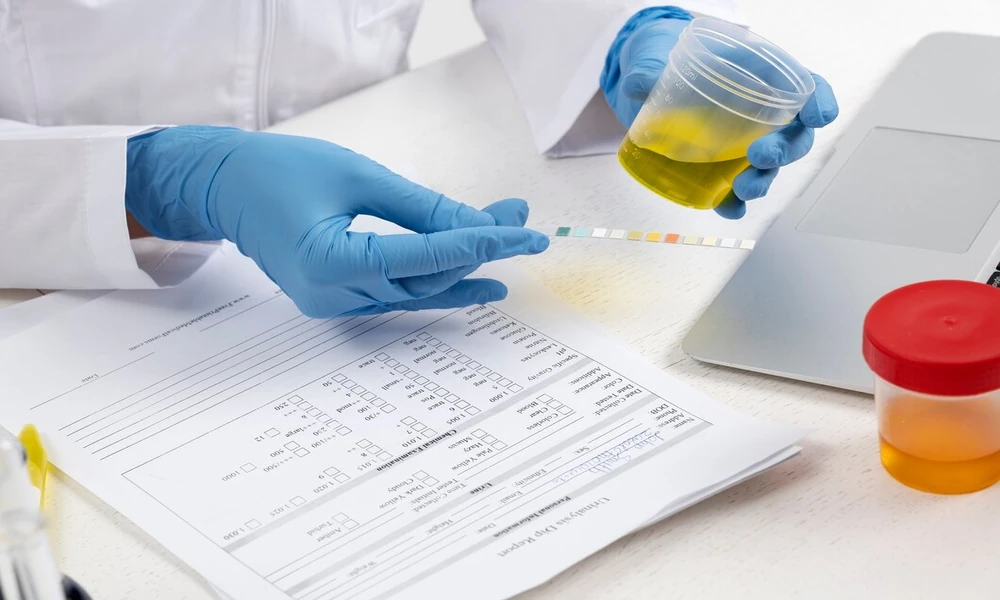
Synthetic or fake urine is a lab-formulated product that resembles the chemical and physical properties of natural urine. Most commonly, it is used for lab research and equipment. However, another purpose of using it is to pass a drug test. Many sportsmen and other professionals need to submit a consistent urine-like sample. But, understanding the differences between natural and fake urine involves looking beyond the appearance. Their biological variability, chemical composition, and responses to lab analysis differ significantly. So, read the blog to know about the production and properties of natural and fake urine.
How Does Fake Urine Differ from Natural Urine?
Although artificial urine resembles natural urine, they have differences. In case of the synthetic product, there is a well-defined formulation, but natural urine is produced by the kidneys. The composition of the synthetic urine depends mainly on the product’s ingredients. On the contrary, natural urine’s composition varies with the diet, hydration, and physiology. Biological variability is another factor that differentiates synthetic and natural urine. Consistency is a common characteristic of fake urine. However, in case of natural urine, you will notice variation over time. The metabolic waste of the fake urine contains only a few particular compounds. For your natural urine, the body’s natural metabolism plays a role in generating waste products.
Differences In Lab Analysis And Drug Testing
Drug screening is a significant area where differences between natural and artificial urine become relevant. Urine drug tests check for common drugs and their metabolites. Depending on the test type, labs also conduct urine validity checks to determine if it is suitable for analysis. These checks examine characteristics, including the pH value, creatinine concentration, and adulterants. However, the goal of screening, the applicable testing standards, and the laboratory are other relevant factors in making a decision. It is also essential to differentiate a drug-negative result from a valid sample. Even though the sample provides no positive drug finding, it may still be classified as adulterated.
What You Should Know About Fake Urine?
Those researching fake urine should identify the purpose of the product. Materials for lab equipment testing are not always inappropriate for clinical applications. Consumers should be aware of the limitations of product claims. The stated ingredients of the synthetic urine formulation imitate the natural urine’s characteristics. However, it does not mean that it will be acceptable during a drug test. For drug-testing programs, using a substitute sample will lead to the violation of testing policies. That is why you have to buy fake urine from a reliable website.