


A commercial roof project requires careful planning, proper materials, and attention to each stage of the work. From checking the existing structure to installing the final roof system, every step has a purpose. Business owners can gain a clearer idea of what the installation process involves. Let’s explore the key steps that shape a commercial roof installation.
Inspect the Existing Roof Before Work Starts
The first step for commercial roofing contractors in Savannah, GA, is a detailed roof inspection that identifies the current condition of the property. Contractors review areas such as surface damage, leaks, drainage problems, and signs of moisture. This information helps determine the right installation approach. A complete assessment may also show if repairs or a full replacement are needed.
The inspection can include a review of the roof deck, insulation, and existing materials. Business owners in Savannah may need different roofing solutions based on the building type and its daily use. A warehouse, office, or retail property can have different requirements. A clear inspection report helps create a more accurate project plan.
Create a Plan for the New Roof System
A commercial roofing project requires decisions about materials, insulation, drainage, and installation methods. Contractors consider the building design, weather conditions, and the purpose of the property before selecting a roof system. The right materials may help improve roof performance over time.
Important Items in the Roof Plan in Savannah
Before installation begins, a project plan may include:
- Roof material selection and placement method
- Insulation needs for temperature control
- Drainage areas such as gutters and roof drains
- Safety steps for workers and building users
Remove Old Materials and Prepare the Surface
The next stage involves preparing the roof area for the new system. Depending on the roof condition, this may include removing old materials or placing a new system over the existing surface. Contractors check the roof deck after removal to identify weak areas or moisture concerns. Proper surface preparation helps create a stable base.
Debris removal and surface repairs are important parts of this stage. Any damaged sections may need attention before new roofing materials are installed. Commercial roofing contractors in Savannah, GA, review these details to help maintain installation quality. A properly prepared surface can help the new roof system perform as expected.
Install the New Commercial Roof System
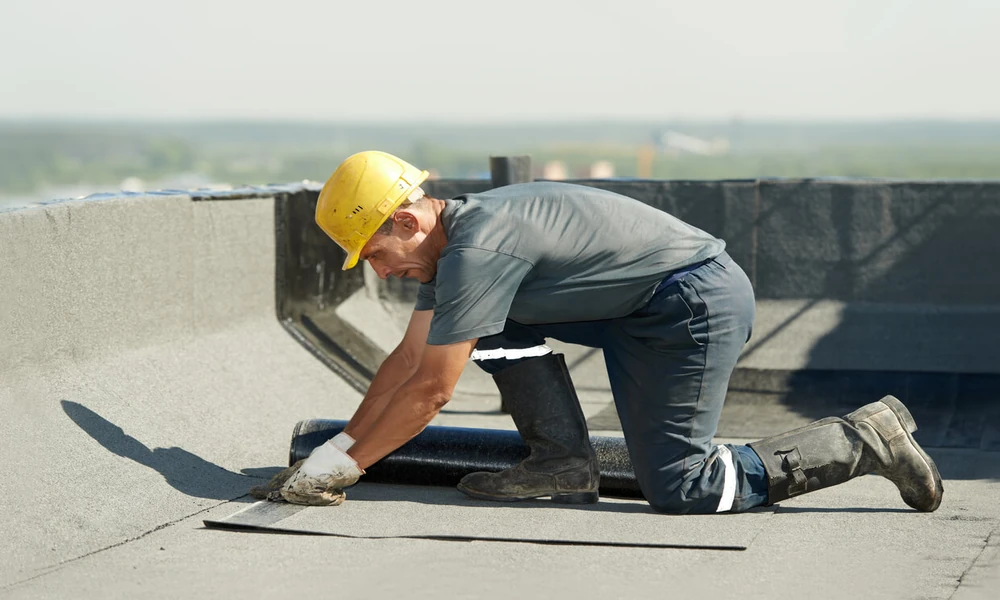
The installation stage involves placing each layer of the roofing system in the correct order. Contractors also focus on areas such as seams, edges, and flashing because these points can affect roof protection.
| Roof Component | Purpose During Installation |
|---|---|
| Insulation layer | Helps support temperature control and adds protection beneath the roof surface. |
| Roofing membrane or panels | Forms the main barrier against weather exposure. |
| Flashing and edge details | Helps protect areas where water may enter, such as corners and roof openings. |
| Drainage system | Helps direct rainwater away from the building through drains and proper roof slopes. |
Complete the Final Review and Maintenance Plan
Contractors review installation details, check for visible issues, and confirm that the project meets the planned requirements. The work area is also cleared so the building can return to normal use. A final review helps confirm that important steps have been completed.
Regular maintenance can help protect the condition of a commercial roof after installation. Business owners in Savannah may schedule inspections to check for wear, drainage concerns, or minor damage. A maintenance plan supports the continued performance of the roofing system.
A commercial roof installation is a process built around inspection, preparation, skilled work, and follow-up care. Each stage contributes to the condition and function of the finished roof. For businesses in Georgia, understanding these steps can make project planning easier. A clear installation process helps create a roofing system that matches the needs of the property.