


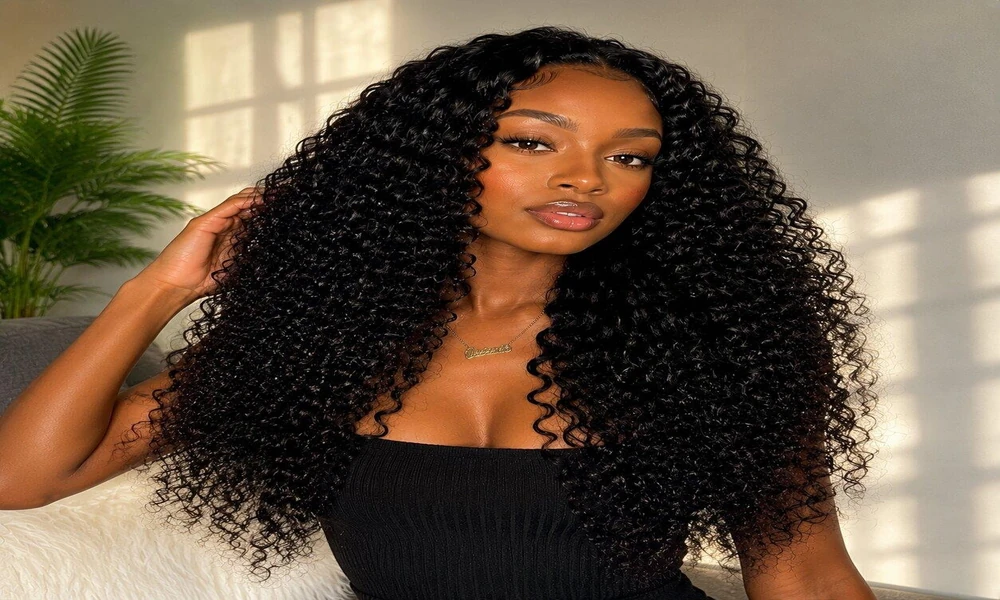
Shopping for Burmese Curly hair should be exciting, but it can quickly become frustrating when beautiful product photos don’t match what arrives at your doorstep. You might order bundles expecting soft, defined curls and generous volume, only to discover thin ends, excessive tangling, or a curl pattern that looks completely different after the first wash. For Black women who appreciate natural-looking texture, Burmese Curly extensions can be an excellent choice for creating full, effortless hairstyles. However, not every bundle advertised as premium quality delivers the same results. Some products cost more because of their construction and sourcing, while others carry higher prices mainly because of marketing. Understanding these differences helps you avoid unnecessary expenses, especially when purchasing human hair online for the first time. Whether you’re planning a sew-in, customizing a wig, or upgrading your everyday hairstyle, knowing how to assess curl quality, density, length, and overall value makes shopping much easier. Here’s what to consider before spending your money.
What Makes Burmese Curly Hair Worth Buying?
Natural and textured hairstyles have become an important part of how many women express their personal style. If you love the appearance of full, flowing curls without an overly polished finish, choosing theBest Burmese Curly Hair can help you achieve that balance. The texture is generally marketed for its voluminous curls, natural movement, and versatility, although the exact curl formation varies significantly between suppliers.
Burmese Curly extensions are often characterized by loose-to-medium curls, a textured finish, and noticeable body. Compared with tighter kinky curly patterns, they may offer a more relaxed curl appearance. Deep curly extensions, meanwhile, can have a more uniform or pronounced curl formation, depending on the product. These descriptions aren’t standardized across the hair industry, so two brands using the same texture name may sell noticeably different products.
What makes this texture appealing is its adaptability. It can be used for layered sew-ins, voluminous wigs, side-part hairstyles, and protective looks that reduce daily manipulation of natural hair. Depending on the curl pattern, it may also blend with naturally curly hair, particularly when the wearer’s hair is styled to create a similar finish.
However, appearance alone doesn’t determine whether extensions are worth purchasing. Hair quality depends on factors such as cuticle condition, processing methods, strand integrity, and weft construction. Well-maintained human hair should retain an attractive appearance through regular washing and conditioning, although some changes in curl definition and texture are normal.
Good extensions should also be manageable. If keeping the curls defined requires excessive detangling, daily product layering, or constant restyling, the additional effort may outweigh the initial savings. The better investment is hair that delivers the appearance you want while fitting comfortably into your maintenance routine.
How to Identify High-Quality Burmese Curly Hair Before Buying
One of the biggest mistakes shoppers make is assuming that terms such as raw, virgin, and Remy mean exactly the same thing. They describe different characteristics, and understanding them can prevent costly purchasing decisions.
Raw hair generally refers to human hair marketed as minimally processed, often without chemical texture alteration. Virgin hair typically describes hair that hasn’t undergone chemical treatments such as coloring, perming, or relaxing. Remy refers to hair collected or arranged so the cuticles remain aligned in the same direction. These categories can overlap, but they aren’t interchangeable, and sellers don’t always use the terminology consistently.
When comparing textured human hair with otherCurly Hair Bundles, examine the texture beyond the professionally styled photographs. Ask whether the curls occur naturally or were created through steam processing or another texturizing method. Processing isn’t automatically a sign of poor quality, but it can affect the hair’s behavior, especially after repeated washing or heat styling.
Next, examine curl consistency. High-quality extensions should have an attractive curl formation throughout the bundle, although natural variations between strands are normal. Look for videos showing freshly washed hair without excessive styling products. This gives you a better idea of the actual curl pattern and how much effort may be needed to maintain it.
Weft construction deserves equal attention. A neatly constructed weft helps keep hair attached during installation and styling. While some shedding is normal, excessive loose strands, poorly secured tracks, or severe tangling may suggest construction or quality problems.
Bundle weight is another detail shoppers shouldn’t overlook. A seller offering a lower price may also be supplying less hair. Always confirm the weight of each bundle, particularly when comparing longer lengths, where the same weight is spread over more inches.
Before placing an order, ask the seller these questions:
- Is the hair raw, virgin, or chemically processed?
- Are there videos showing the actual hair after washing?
- Does the curl pattern return after shampooing and conditioning?
- What is the weight of each individual bundle?
- Are the ends naturally tapered or fuller throughout?
- What are the return and exchange conditions?
A trustworthy seller should provide clear product details rather than depending entirely on descriptions such as luxury grade or superior quality. Specific answers make meaningful comparisons much easier.
Choosing the Right Length, Fullness, and Bundle Quantity
Buying beautiful extensions in the wrong length or density can be just as disappointing as receiving poor-quality hair. Before checkout, consider your preferred finished hairstyle and how much fullness you actually need.
Single drawn bundles contain strands of varying lengths, creating a naturally tapered appearance. Double drawn extensions generally contain a higher proportion of longer strands, resulting in fuller-looking ends. Neither option is automatically better. Single drawn hair may suit someone seeking natural movement, while double drawn hair can be appealing for fuller, more uniform hairstyles.
Double drawn bundles often cost more because of the additional length sorting and hair required. However, paying extra isn’t necessary if your desired hairstyle already works well with naturally tapered ends.
Length requires careful consideration because curly hair appears shorter than its stretched measurement. For example, an 18-inch curly bundle may look noticeably shorter when the curls are fully formed. The amount of visible shortening depends on the curl pattern and how tightly the hair contracts.
Rather than choosing a length based entirely on photographs, ask the seller whether measurements are taken with the hair stretched. Request examples of the texture at your preferred length, ideally installed on a model.
For a typical full-head sew-in, two bundles may be sufficient for some shorter styles, while three bundles are commonly considered for medium-length installations. Longer or particularly voluminous styles may require three to four bundles or more. These are only general estimates, as bundle weight, head size, track spacing, and desired fullness affect the amount required.
Closures and frontals also influence your budget. A closure may reduce the amount of wefted hair needed near the crown, while a frontal can cover a larger section of the hairline. Remember to include installation, customization, and maintenance expenses when calculating the total cost.
Finally, think about your lifestyle. Someone who wears a wig occasionally may have different priorities from someone maintaining a sew-in every day. If you prefer minimal styling, choose a curl pattern that looks attractive with simple conditioning and gentle detangling rather than frequent restyling.
Are Expensive Burmese Curly Hair Bundles Really Worth the Price?
Higher prices can sometimes reflect better sourcing practices, stronger construction, fuller ends, or more consistent quality control. However, expensive doesn’t automatically mean better, especially when brands use similar marketing language without explaining what makes their products different.
Two curly bundles may look nearly identical online while differing in processing, weight, density, and cuticle condition. These differences may become noticeable after repeated washing or installation. That’s why comparing specifications matters more than simply choosing the highest-priced option.
One practical way to evaluate value is to calculate hair cost per successful installation rather than focusing only on the initial purchase price.
| Cost Comparison | Budget Hair | Premium Hair |
| Initial Purchase | $120 | $280 |
| Successful Installations | 1 | 4 |
| Hair Cost Per Installation | $120 | $70 |
These figures are hypothetical examples, not verified market prices or guaranteed product lifespans. Installation and maintenance expenses are excluded.
In this example, the more expensive hair becomes the better long-term value because it supports more successful installations. However, that advantage only exists if the extensions maintain satisfactory quality and can actually be reused.
If you’re buying hair for a single special occasion, a reasonably priced option with verified quality may be perfectly adequate. For regular wear or repeated wig installations, spending more on durable, well-constructed hair may make financial sense.
Before deciding, compare the complete purchase cost, including bundle weight, shipping fees, taxes, closure or frontal requirements, and potential return charges. Avoid paying for unnecessary length or extra bundles simply because a product description promises an exceptionally glamorous result.
Common Shopping Mistakes That Can Cost You Money
Beautiful photographs are useful for inspiration, but they shouldn’t be your only source of information. Professional lighting, curl-defining products, and careful styling can make extensions appear fuller or more defined than they look under everyday conditions.
Another common mistake is assuming every product labeled Burmese Curly has the same texture. Without standardized industry definitions, shoppers should expect differences in curl diameter, density, and overall appearance between suppliers.
Be cautious with claims such as single donor, completely raw, or guaranteed lifetime quality when there’s little supporting information. Look for realistic product demonstrations, clear specifications, and customer feedback describing how the hair performs after washing and wearing.
Reviews mentioning excessive shedding, severe tangling, or disappointing fullness deserve attention, particularly when similar complaints appear repeatedly. Independent customer photographs and longer-term reviews can provide a more balanced perspective than promotional images alone.
Return policies are equally important. Some sellers restrict returns once hair has been opened, washed, colored, or installed. Read these conditions before purchasing and inspect your order promptly upon arrival, following the seller’s inspection requirements.
Final Thoughts: Buying beautiful Burmese Curly extensions shouldn’t require gambling with your budget. Understanding processing claims, evaluating curl behavior, comparing bundle construction, and selecting the right quantity can help you avoid expensive mistakes. Pay attention to seller transparency and realistic customer experiences rather than assuming a higher price guarantees better results. Ultimately, the smartest purchase is the hair that complements your preferred hairstyle, feels manageable for your lifestyle, and offers dependable value for the money spent.
Frequently Asked Questions
How can I tell if Burmese Curly hair is good quality? Look for healthy-looking strands, manageable curls after washing, secure wefts, accurate bundle weights, and minimal excessive shedding or tangling.
Is raw Burmese Curly hair better than virgin hair? Not necessarily. Quality depends on the actual hair condition, processing history, construction, and how well it has been maintained.
How many bundles do I need for a sew-in? Many styles use two to three bundles, while longer or fuller installations may require more. Confirm the bundle weight and consult your stylist.
Does Burmese Curly hair shed or tangle? Some shedding and tangling can occur with curly extensions. Excessive problems may indicate poor construction, compromised hair quality, or unsuitable maintenance.
Is double drawn hair worth paying more for? It may be worthwhile if you want consistently fuller ends. For naturally tapered hairstyles, single drawn bundles may provide better value.
How long can quality Burmese Curly hair last? Longevity varies widely according to processing, initial quality, usage, styling habits, and maintenance. No specific lifespan should be assumed without evidence.
Can Burmese Curly extensions be straightened? Some human hair extensions tolerate careful heat styling, but heat can permanently loosen or damage curls. Always follow the seller’s care instructions and test a small section first.